

Best Tried, Tested & Tastiest Nut Butters, According to a Dietitian
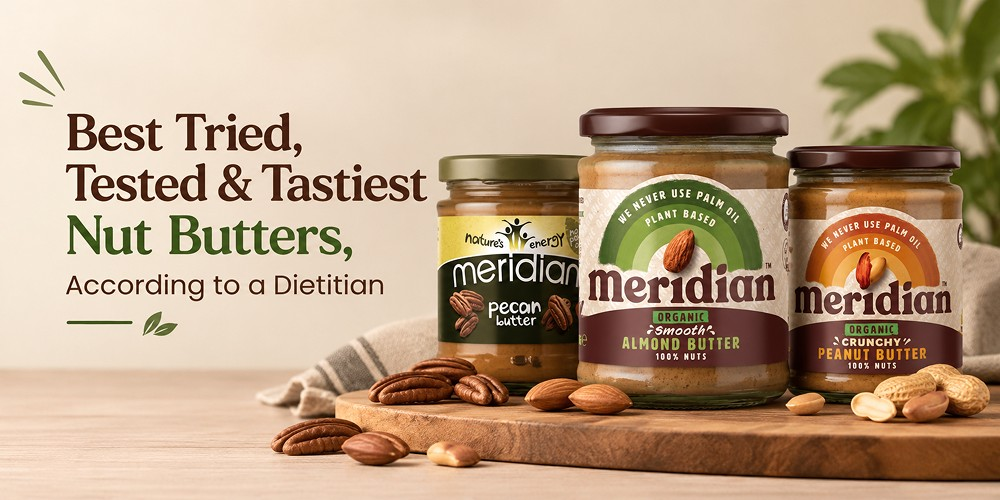
If your kitchen cupboard has turned into a small nut butter museum over the past few years, you're not alone. What used to be a single jar of supermarket peanut butter has exploded into an entire category of its own, with almond, cashew, hazelnut and mixed-nut versions all jostling for shelf space. But with so much choice, how do you actually work out the best nut butter for your body, your budget and your breakfast bowl? We asked a dietitian to break down what really matters when you're shopping for a jar, and which options are genuinely worth your money.
Why Nut Butters Deserve a Permanent Spot in Your Kitchen
Nut butters aren't just a trendy spread for your toast they're a genuinely useful source of healthy fats, fibre, plant protein and micronutrients like magnesium, vitamin E and potassium. A dietitian will usually tell you the same thing: the "healthiest" jar isn't necessarily the most expensive or the most Instagrammable one. It's the one with the shortest ingredient list, made from real nuts and little else.
That's really the starting point when working out what is the healthiest nut butter for you. A genuinely healthy nut butter should contain just nuts (and maybe a pinch of salt) — not added sugar, palm oil, or a long list of stabilisers. If the ingredients label reads like a chemistry experiment, put the jar back.
Peanut Butter: The Classic That Still Holds Up
Let's start with the nation's favourite. Peanut butter is technically a legume butter rather than a tree nut butter, but nobody's arguing with tradition. It's affordable, versatile, and packed with protein and monounsaturated fats that support heart health. A good quality, natural Organic Peanut Butter one made from just organic peanuts, with the oil separating naturally on top — is still one of the most nutrient-dense and budget-friendly spreads you can buy.
The key word here is "natural." Many mainstream peanut butters are loaded with added sugar and hydrogenated oils to make them shelf-stable and spreadable straight from the fridge. Choosing an organic, single-ingredient version means you avoid pesticide residues often found in conventionally farmed peanuts, while also getting a cleaner, nuttier flavour.
Almond Butter and the Organic Advantage
If peanut butter is the reliable classic, Organic Almond Butter is the sophisticated upgrade. Almonds are naturally higher in vitamin E, calcium and fibre than peanuts, and almond butter tends to have a smoother, slightly sweeter flavour that works beautifully in smoothies, baking, and even savoury sauces.
Going organic matters more with almonds than people realise. Almonds are grown in dense orchards and are frequently treated with pesticides during cultivation, so choosing organic reduces your exposure to residues while also supporting more sustainable farming practices. When you're comparing jars, look for Organic Nut Butter options where almonds are the only ingredient no rapeseed oil, no added sugar, no palm oil for texture.
So, What's the Healthiest Nut Butter?
There isn't a single definitive winner it depends on what you need nutritionally. But as a general rule, a dietitian would point you toward the healthiest nut butter based on three criteria:
- Minimal ingredients — ideally just nuts, possibly with a touch of sea salt.
- No added sugar or hydrogenated oils — these turn a nutrient-dense food into a dessert topping.
- Organic where possible — particularly for nuts commonly treated with pesticides, like almonds and cashews.
By that measure, the best healthy nut butter is almost always the plain, natural, organic version rather than flavoured varieties with chocolate, honey or caramel swirled through. Those can still be enjoyed occasionally, but they shouldn't be your everyday jar if you're eating nut butter for its nutritional benefits.
Protein Nut Butters: Are They Worth the Hype?
Walk down any health food aisle and you'll now spot a growing shelf of protein nut butters, often boosted with whey, pea protein or extra nut flour to push the protein count higher. These can genuinely be useful, particularly for anyone trying to hit higher daily protein targets without relying on shakes and bars.
That said, a dietitian would caution against assuming "high protein" automatically means "healthy." Some protein-boosted spreads compensate for the added protein powder's chalky texture with extra sugar or sweeteners. If you want the benefits without the trade-offs, look for an organic high protein nut butter that gets its protein boost from things like added nut flour or a natural protein blend, rather than long lists of artificial sweeteners.
If you're simply after best nut butter for protein without any additives, plain peanut butter is actually hard to beat it naturally contains around 7-8g of protein per two-tablespoon serving, more than most other nuts.
Is Nut Butter Good for Weight Loss?
This is one of the most common questions dietitians get asked, and the honest answer is: it depends on the portion. Is nut butter good for weight loss? In moderation, yes the combination of protein, fibre and healthy fats helps keep you fuller for longer, which can reduce snacking and overeating later in the day. Nut butters are calorie-dense, though, so a heaped spoonful eaten straight from the jar can quickly add up.
The trick is portion control. A single tablespoon spread on wholegrain toast, stirred into porridge, or blended into a smoothie is enough to reap the satiety benefits without derailing your calorie goals. Choosing a natural, organic option also helps here, since you're not getting extra sugar calories that add nothing nutritionally.
Best Nut Butter to Buy: A Quick Buying Guide
When you're standing in the aisle (or scrolling online) trying to decide on the best nut butter to buy, keep this simple checklist in mind:
- Check the ingredients list first. It should be short ideally just the nut (or peanuts) and perhaps salt.
- Look for organic certification. This reduces pesticide exposure and generally means better farming standards.
- Avoid added sugars and oils. Natural oil separation on top of the jar is a good sign, not a flaw.
- Match the nut to your needs. Peanut butter for affordability and protein, almond butter for extra vitamin E and a lighter taste, or a mixed nut butter for variety.
- Consider protein content if that's a priority. Look for genuinely organic high protein nut butter rather than heavily processed protein-spiked versions.
Final Thoughts
At the end of the day, the best nut butter is the one that fits seamlessly into your routine, tastes good enough that you'll actually keep buying it, and doesn't come with a side of unnecessary sugar or additives. Whether you lean toward classic peanut butter or the smoother, nuttier profile of almond butter, choosing an organic, minimally processed jar is the simplest way to make sure you're getting real nutritional value with every spoonful.
If you're looking to stock your kitchen with clean, honestly made spreads, Zest Organic offers a range of organic nut butters crafted with nothing but quality nuts and care no unnecessary additives, just real, wholesome flavour in every jar.