


How to Choose the Best Organic Rice, Grains and Pulses
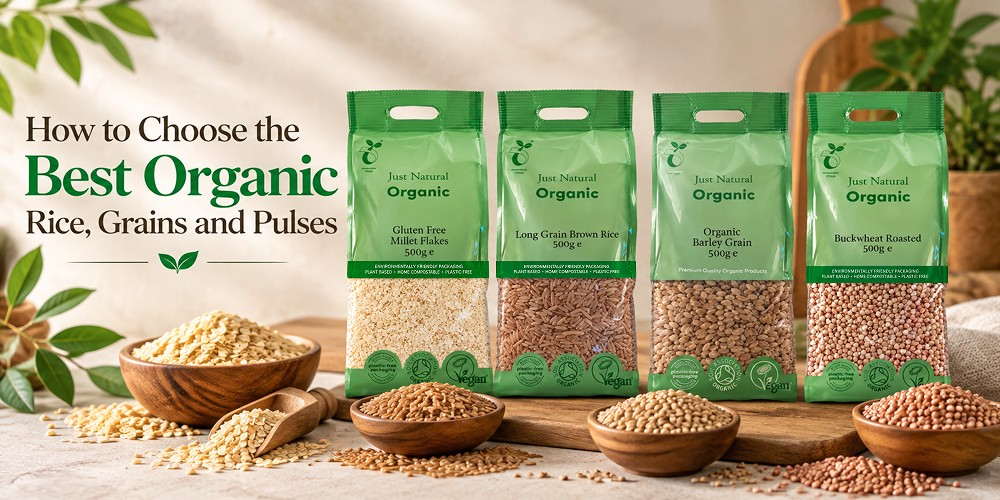
A well-stocked kitchen starts with the basics. A bag of rice, a jar of grains and a few tins or packets of pulses can turn into dozens of meals, from quick weeknight dinners to slow Sunday stews. But with so many options on the shelf, it is not always clear what to pick. Below is a practical guide to choosing organic cupboard staples that suit your cooking, your budget and your family's tastes.
Why Organic Staples Are Worth a Closer Look
Organic rice, grains and pulses are grown according to organic farming standards, which limit the use of synthetic pesticides and fertilisers. Whether that matters to you is personal. Some people choose organic for environmental reasons, others for the farming practices or the simple ingredient lists. The good news is that these foods are naturally plain. A bag of grain should contain just the grain, so it is easy to compare products and know what you are buying.
Staples also reward good habits. Because you use them again and again, a small change in what you stock, such as swapping a refined grain for a wholegrain one, becomes part of your routine without much effort.
Start With the Rice You Cook Most Often
If you want organic rice for everyday cooking, begin by thinking about how your household actually eats. Do you make stir-fries, curries, pilafs, salads or rice bowls? The answer helps you narrow down the grain length and texture you need.
Long grain rice cooks up fluffy, with separate grains, which suits curries, chilli and side dishes. Short grain rice is softer and slightly stickier, so it works better for puddings, sushi and creamy bakes. Medium grain varieties sit in between and are useful for paella and risotto-style dishes.
Knowing the main organic rice varieties makes shopping easier:
- Long grain: light and fluffy, good for general use
- Short grain: soft and clingy, good for puddings and rolls
- Risotto and paella rice: high in starch, good for creamy or absorbent dishes
- Wholegrain and brown rice: nuttier and chewier, with the bran left on
If you are looking for the best organic rice for everyday meals, a versatile long grain is usually the safest start. It handles most cuisines and is forgiving if you are still learning to cook rice well.
Why Brown Rice Deserves a Place in Your Cupboard
Organic brown rice keeps its outer bran layer, so it has a nuttier flavour and a firmer bite than white rice. It also keeps more of the whole grain, which is why many people choose it when they want to eat more wholegrains. There is no single "healthiest" rice for everyone, so the best choice depends on your needs and what you enjoy eating.
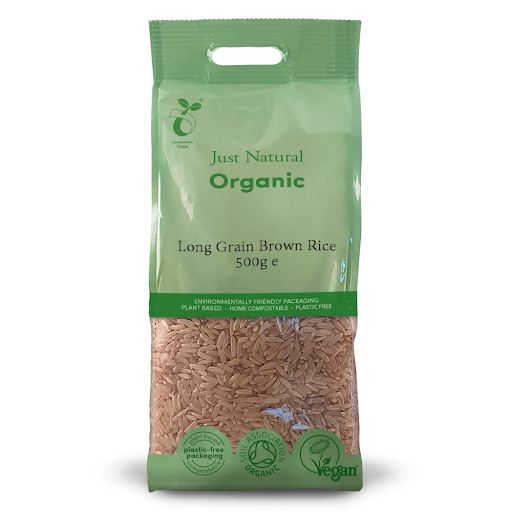
A good example is Just Natural Organic Long Grain Brown Rice 500g. It suits curries, grain bowls, stuffed vegetables and batch-cooked lunches. Brown rice takes longer to cook than white, usually around 25 to 30 minutes, so cook a larger batch at the weekend and keep it in the fridge for quick meals during the week.
Look Beyond Rice: Grains for Variety
Rice is a great foundation, but other grains add flavour, texture and interest. If you want to buy organic grains to widen your menu, a few key choices will cover most dishes.
Organic Barley
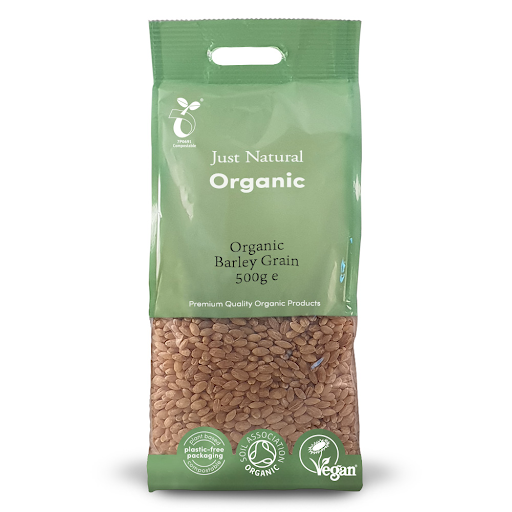
Organic barley is chewy, hearty and slightly sweet. It holds its shape in long, slow cooking, which makes it a classic choice for soups, stews and risotto-style dishes. Just Natural Organic Barley Grain Hulled 500g is a hulled variety, meaning less of the outer layer has been removed than in pearled barley. That gives it a firmer texture and a more rustic character. Soak it for a few hours before cooking to shorten the simmering time. Note that barley contains gluten, so it is not suitable for anyone avoiding it.
Organic Buckwheat
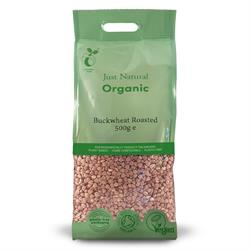
Despite the name, organic buckwheat is not related to wheat. It is a seed that is cooked and eaten like a grain, with a bold, earthy flavour. Just Natural Organic Buckwheat Roasted 500g has been toasted, which deepens its taste and cuts the cooking time to around 10 to 15 minutes. Use it as a side dish in place of rice, fold it into salads, or add it to stuffed peppers and veggie burgers.
Organic Millet
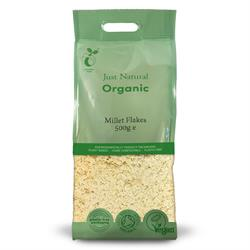
Organic millet is mild, light and quick to cook. It comes in several forms, and it helps to know the difference. Just Natural Organic Millet Flakes 500g are rolled and flattened, so they behave much like rolled oats. Simmer them into a creamy breakfast porridge, stir them into baking mixes, or use them to add body to soups and veggie patties. If you prefer a whole-grain version for pilafs and side dishes, look for millet grain instead.
Choosing Organic Pulses
Organic pulses such as lentils, chickpeas and beans are among the most useful foods you can keep in the cupboard. They are filling, affordable and endlessly flexible. Red lentils break down into thick soups and dals. Green and brown lentils hold their shape for salads and bakes. Chickpeas suit curries, roasted snacks and hummus, while beans bring depth to chilli, stews and casseroles.
When choosing pulses, consider:
- Dried or tinned? Dried pulses are cheaper and store longer, but need soaking and cooking. Tinned ones are ready to use in minutes.
- Cooking time: Split lentils cook in about 20 minutes, while whole beans can take over an hour.
- Your recipes: Match the pulse to the dish. Soft, collapsing lentils for soups, firmer beans for stews.
Combining pulses with rice or grains also makes a more balanced plate. A bowl of brown rice with lentils, or barley with white beans, is simple, satisfying and easy to prepare in large quantities.
What to Check Before You Buy
Whichever products you choose, a few quick checks will help you shop with confidence.
- Certification: Look for a recognised organic certification mark on the pack.
- Ingredients: The list should be short. For plain grains and pulses, it should simply name the food itself.
- Dietary labels: If you avoid gluten, wheat or animal products, check the labels carefully. Not every grain is gluten free, so read each pack rather than assuming.
- Pack size: Smaller bags let you try something new, while larger ones suit the staples you cook weekly.
- Storage: Keep grains and pulses in airtight jars, away from heat and moisture, to protect freshness.
Building a Simple Starter Cupboard
If you are not sure where to begin, here is a straightforward set of organic grains for healthy meals that covers most needs without overfilling your shelves:
- One versatile long grain or brown rice for daily cooking
- One chewy grain, such as barley, for soups and stews
- One quick-cooking option, such as buckwheat, for side dishes and salads
- One breakfast grain, such as millet flakes, for porridge and baking
- Two or three pulses, such as red lentils, chickpeas and beans
With these on hand, you can make a quick dal, a hearty barley soup, a buckwheat salad or a warm bowl of millet porridge without a special shopping trip. Over time, you can add new organic rice varieties or grains as your confidence grows.
Final Thoughts
Choosing the best organic rice, grains and pulses does not need to be complicated. Think about how you cook, pick staples that fit those habits, check the labels, and add variety slowly. A few reliable ingredients can make everyday cooking easier, tastier and more varied.
If you are ready to stock up, Zest Organic offers a convenient selection of Organic Rice UK shoppers can rely on, alongside grains, pulses and other pantry essentials for everyday cooking. Browse the range online and build a cupboard that works for your kitchen.