

Organic Flour Explained: Types, Benefits and How to Choose the Right Flour
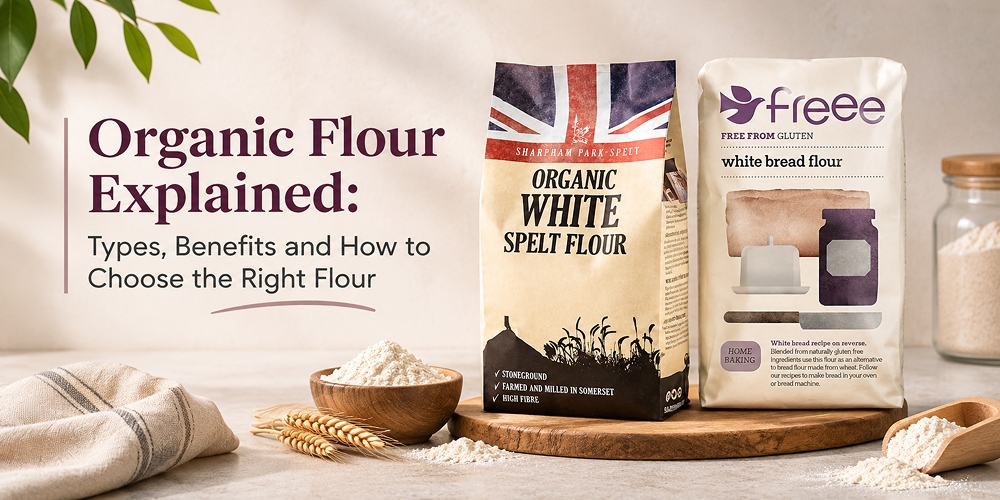
Choosing the right flour can make a noticeable difference to the taste, texture and quality of your homemade baking. Whether you enjoy making fresh bread, baking cakes or preparing healthier everyday meals, understanding the flour you use is an important part of getting good results. With more people exploring organic ingredients, organic flour has become a popular choice for home bakers looking for quality ingredients and more sustainable food options.
But what is organic flour, how does it differ from conventional flour, and which variety is best for different recipes? From traditional wholemeal and white flour to spelt and rye, there are several options to consider. This guide explores the different types of flour, their uses and the potential benefits of organic flour, helping you make an informed choice for your kitchen.
What Is Organic Flour?
Organic flour is produced from grains grown according to certified organic farming standards. These standards restrict the use of synthetic pesticides and artificial fertilisers and set requirements for how crops and farmland are managed. In the UK, organic food certification is regulated through approved certification bodies.
Unlike conventional farming, organic agriculture places greater emphasis on maintaining soil health, supporting biodiversity and using natural approaches to managing crops. However, organic certification does not automatically mean that flour is more nutritious than conventional alternatives. Organic flour is available in several varieties, including wheat, spelt, rye and other alternative grains. Each has its own flavour, texture and baking characteristics, making it useful for different recipes.
What Are the Benefits of Organic Flour?
There are several reasons why home bakers choose organic flour. While nutritional value depends largely on the grain and how it is milled, organic options offer some distinct advantages.
1. Produced using organic farming methods
Organic farming standards restrict synthetic pesticides and artificial fertilisers. For shoppers who prefer ingredients produced under these standards, choosing certified organic flour can be a way to support a different approach to agriculture.
2. Supports soil health and biodiversity
Organic farming encourages practices that support soil fertility and biodiversity. Crop rotation and responsible soil management can help maintain healthier agricultural environments over time.
3. More variety for everyday baking
One of the practical advantages of shopping for organic flour is the range of grains and milling styles available. From traditional wheat flour to spelt, rye and wholegrain varieties, there are plenty of options for experimenting with homemade recipes.
4. Suitable for different cooking preferences
Organic flour can be used in everyday cooking and baking, including bread, cakes, biscuits, pancakes and pastry. Choosing the right variety allows you to explore different textures and flavours while keeping your preferred ingredients in mind.
Different Types of Organic Flour and Their Uses
Understanding the types of organic flour available makes it easier to select the right ingredient for your recipe. Here are some popular varieties and how they can be used.
1. Organic White Flour
Organic white flour is a versatile option for everyday baking. It is milled from wheat with much of the bran and germ removed, producing a lighter texture and a finer consistency.
Depending on its protein content, white flour can be suitable for cakes, biscuits, pastry and bread. Plain white flour is commonly used for cakes and sauces, while strong white bread flour is better suited to yeast-based recipes that need a stronger dough structure.
If you enjoy making homemade loaves, look for organic strong white bread flour. Its gluten-forming proteins help create an elastic dough and a well-structured loaf.
2. Organic Wholemeal Flour
Wholemeal flour is made using the entire wheat grain, including the bran, germ and endosperm. This gives it a darker colour, a slightly nutty flavour and a coarser texture than refined white flour.
It is commonly used for bread, muffins, pancakes and savoury baking. Because it contains the whole grain, wholemeal flour generally provides more dietary fibre than refined white flour.
For those who enjoy wholesome homemade bread, organic wholemeal flour is a useful ingredient to keep in the kitchen.
3. Organic Spelt Flour
Organic Spelt Flour is made from spelt, an ancient grain related to modern wheat. It has a distinctive mild, nutty flavour and can be used in a variety of sweet and savoury recipes.
Spelt flour is available in white and wholegrain varieties. White spelt flour works well in cakes, biscuits and lighter bakes, while wholegrain spelt flour is suitable for more rustic bread and wholesome recipes.
Spelt contains gluten, so it is not suitable for people with coeliac disease or those who need to avoid gluten. When replacing conventional wheat flour with spelt, you may need to adjust the liquid in your recipe to achieve the right consistency.
4. Organic Rye Flour
Rye flour has a rich, earthy flavour and is particularly popular in traditional European bread-making. It can be used to prepare dense loaves, sourdough bread, crackers and other savoury baked goods.
Compared with wheat flour, rye behaves differently when mixed with water and does not produce the same elastic dough structure. For this reason, it is often combined with wheat flour when making lighter bread.
Organic rye flour is a good option for bakers who enjoy experimenting with traditional recipes and distinctive grain flavours.
5. Alternative Organic Flour
There are also several alternative varieties to explore, particularly for recipes that do not rely on conventional wheat flour.
Some popular choices include:
- Almond flour: Adds a naturally nutty flavour and works well in cakes and biscuits.
- Coconut flour: Absorbs considerable moisture and is commonly used in specialist baking recipes.
- Buckwheat flour: Despite its name, buckwheat is naturally gluten-free and has a distinctive earthy flavour.
- Rice flour: A light flour often used in gluten-free baking and batters.
- Chickpea flour: Suitable for savoury dishes, flatbreads and pancakes.
- Cassava flour: A versatile alternative used in a variety of baking and cooking recipes.
These varieties have different properties, so they are not always interchangeable. Some may require additional binding ingredients or adjustments to liquid quantities.
How to Choose the Right Flour for Baking
Choosing flour becomes easier when you consider what you want to make. Different recipes require different textures, protein levels and flour characteristics.
Here are a few simple guidelines:
| Baking purpose | Recommended flour |
|---|---|
| Homemade bread | Organic strong white or wholemeal bread flour |
| Cakes and cupcakes | Organic white flour |
| Biscuits and pastry | Plain organic white flour |
| Rustic bread | Organic rye or wholegrain flour |
| Nutty-flavoured baking | Organic spelt flour |
| Gluten-free recipes | Rice, buckwheat or cassava flour |
It is also worth checking whether a recipe requires plain, self-raising or strong bread flour. These varieties perform different roles, and choosing the correct one can make a difference to the finished bake.
If you are trying a new flour for the first time, start by replacing a small proportion of the flour in your usual recipe. This allows you to understand how it affects the texture, flavour and moisture before making a complete switch.
Is Organic Flour Better Than Regular Flour?
A common question among shoppers is is organic flour better than regular flour? The answer depends on what matters most to you.
Organic flour is produced under certified organic farming standards, which restrict certain synthetic agricultural inputs. Conventional flour, on the other hand, is produced using grains grown under standard agricultural practices.
However, organic flour is not automatically more nutritious. Nutritional differences depend on factors such as the grain variety, whether the flour is wholegrain or refined, and the milling process.
For example, wholemeal organic flour generally contains more fibre than refined conventional white flour because it retains more of the grain. The same principle applies when comparing wholemeal and white flour regardless of whether they are organic.
If organic farming methods, ingredient sourcing and environmental considerations are important to you, organic flour may be a suitable choice. For nutritional purposes, it is equally important to consider the type of flour and how it is used.
Organic Flour and Yeast: Ingredients for Better Home Baking
Flour is only one part of successful bread-making. Yeast is another important ingredient in many homemade bread recipes, helping dough rise through fermentation.
It is useful to understand that baking yeast and nutritional yeast are not the same. Baking yeast is used as a raising agent, while nutritional yeast is an inactive yeast product commonly added to meals for its savoury, slightly nutty flavour.
For example, Nutritional Yeast UK shoppers may be interested in using nutritional yeast flakes in soups, sauces, pasta dishes and savoury recipes. They are not a replacement for active baking yeast when making bread that needs to rise.
Pairing the right flour with suitable baking ingredients can help you explore a wider range of homemade recipes, from traditional loaves to creative savoury bakes.
Where to Buy Organic Flour in the UK
Finding quality baking ingredients is easier when you shop with a retailer offering a varied selection of organic products. If you are looking for where to buy organic flour in the UK, consider the range of flour varieties, product descriptions, organic certification and pack sizes available.
Look for ingredients that suit your cooking needs, whether you want strong bread flour for homemade loaves, wholemeal flour for everyday baking or spelt and rye flour for more distinctive recipes.
You can explore the organic flour and yeast collection to discover different baking ingredients, including organic wholemeal bread flour, spelt flour, rye flour, alternative flours and nutritional yeast products.
Before purchasing, check the individual product descriptions for ingredients, dietary information and recommended uses. This will help you select the most suitable flour for your recipes.
Conclusion
Choosing the right flour is about understanding your recipe, preferred flavours and baking requirements. From versatile white flour and fibre-rich wholemeal varieties to distinctive spelt and rye options, each type brings something different to the kitchen.
Exploring organic flour can also help you discover a wider range of ingredients produced under certified organic farming standards. Whether you are making fresh bread, baking cakes or experimenting with alternative grains, selecting the right flour can make everyday cooking more enjoyable.
At Zest Organic, you can explore a selection of organic flour and yeast products to suit different baking needs. Discover the range, compare the available varieties and find ingredients to inspire your next homemade bake.