



Organic Herbs and Spices: Best Choices for Everyday Cooking
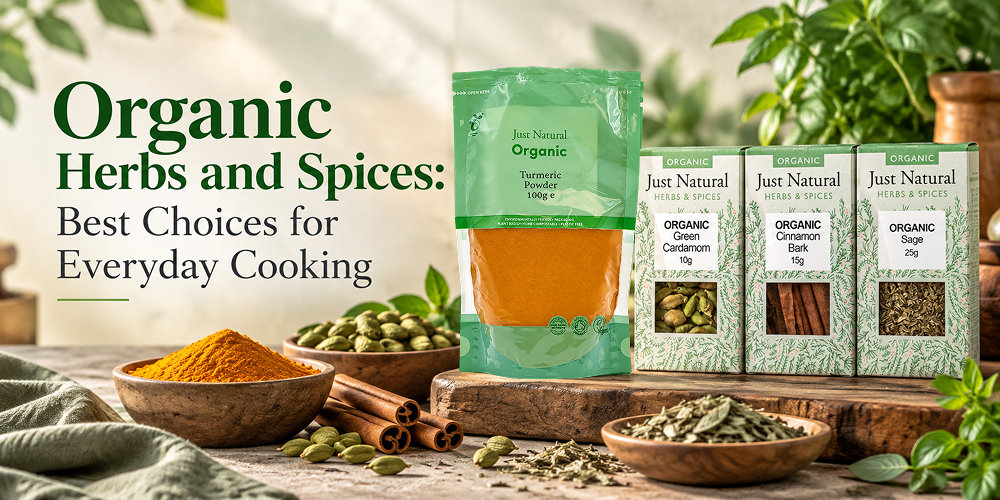
A good meal often starts with a small jar. A pinch of warm spice or a handful of dried leaves can turn plain rice, lentils or roasted vegetables into something worth sitting down for. If you want to cook with more care and flavour, organic herbs and spices are a simple place to begin.
This guide covers what makes organic produce worth choosing, which best spices for everyday cooking are worth keeping in your cupboard, and how to use them with confidence.
Why Choose Organic Herbs and Spices?
Herbs and spices are used in small amounts, but they are eaten often. Organic growing standards limit synthetic pesticides and artificial fertilisers, so many shoppers prefer them for that reason alone. Organic farming also supports soil health and more thoughtful land use.
Flavour matters too. Well-grown, carefully dried ingredients keep their natural aroma, and that shows when you open the jar. If you are looking for organic spices UK cooks can rely on, check for clear organic certification and sensible packaging that protects freshness.
The Best Spices for Everyday Cooking
You do not need thirty jars to cook well. A short list of reliable ingredients covers most dishes, from breakfast porridge to a midweek curry. The best spices for everyday cooking are versatile, easy to find and useful in both sweet and savoury recipes.
A practical starter set looks like this:
- Turmeric for colour, warmth and earthy depth
- Cardamom for fragrant tea, rice dishes and baking
- Cinnamon for porridge, stews and desserts
- Sage for roasts, stuffing and buttery sauces
- Sea salt for lifting every other flavour
Buy small quantities and replace them regularly. Whole spices stay fresh longer than ground ones, so keep a few whole options alongside your powders.
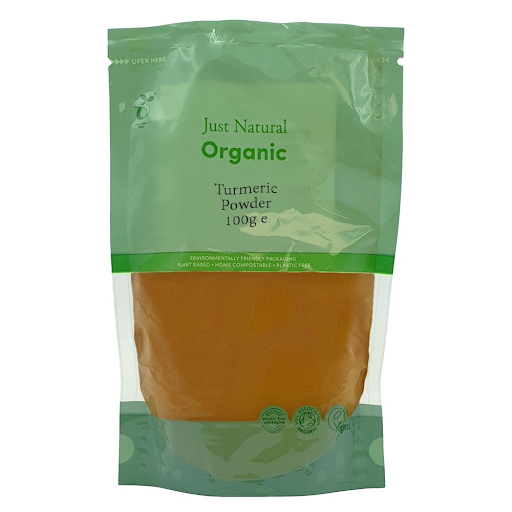
Organic Turmeric Powder: A Golden Staple
Bright, earthy and slightly peppery, organic turmeric powder is a pantry classic. It gives curries, dal and rice their golden colour, and it also works well in soups, scrambled eggs and roasted cauliflower.
A little goes a long way. Start with half a teaspoon in a dish that serves four, and build from there. Turmeric tastes best when it is cooked briefly in warm oil or butter, which softens its raw edge. Pair it with black pepper and a little ginger for a rounded, comforting flavour. Be careful with spills, as it stains worktops and wooden spoons easily.
Organic Cardamom Pods: Small but Powerful
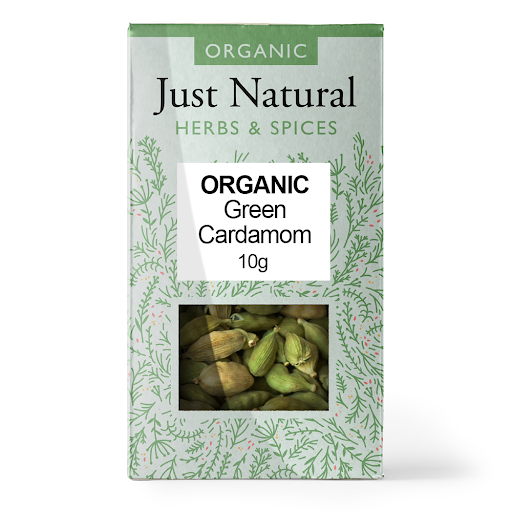
Few ingredients are as aromatic as organic cardamom pods. Each green pod holds tiny black seeds with a citrusy, floral and slightly minty character. They are a favourite in chai, pilaf, rice pudding and Scandinavian-style baking.
To use them, lightly crush the pods with the flat of a knife and add them whole to simmering rice or milk. For a stronger flavour, split the pods and grind the seeds. Whole pods keep their fragrance far longer than pre-ground cardamom, which makes them a smart buy for occasional cooks.
Organic Cinnamon: Sweet and Savoury
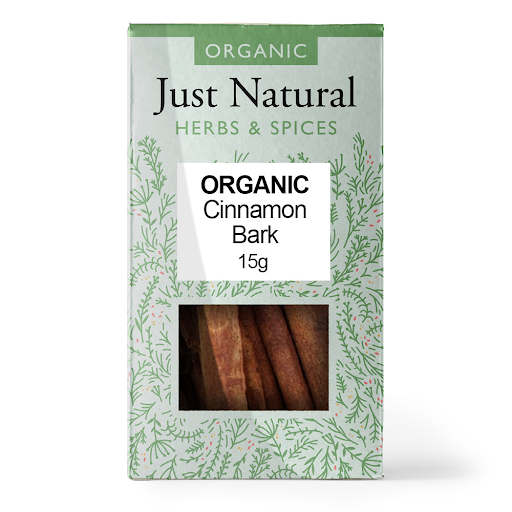
Most people link organic cinnamon with baking, but its uses go much further. A stick of bark in a pot of lamb stew or tomato sauce adds a gentle warmth that is hard to place but easy to enjoy.
Use cinnamon bark when you want slow, subtle flavour. Drop it into rice, poaching liquid, mulled drinks or a pan of lentils, then remove it before serving. Ground cinnamon suits porridge, pancakes and baked fruit. Both forms are worth having, because they behave quite differently in the pan.
Dried Sage for Cooking: A Classic Herb
Earthy, savoury and slightly peppery, dried sage for cooking is a staple of traditional British kitchens. It pairs beautifully with pork, chicken, squash and potatoes, and it is the backbone of many stuffings.
Dried sage is stronger than fresh, so use it with a light hand. Rub a little into roast chicken skin, stir it into melted butter for pasta, or add it to a mushroom sauce. Crumble the leaves between your fingers before adding them to release their oils. Among the herbs for home cooking, sage rewards simple, confident use.
Spices for Vegetables: Easy Ways to Add Flavour
Vegetables are where spices really shine. Roasting, steaming and grilling all suit a little seasoning, and the right pairing can make even a humble carrot interesting.
Some easy combinations to try:
- Carrots and parsnips: cinnamon and a pinch of salt before roasting
- Cauliflower: turmeric and black pepper
- Squash and sweet potato: sage and olive oil
- Peas and rice: cardamom pods in the cooking water
These spices for vegetables need no special skill. Toss the vegetables in oil, season generously and roast until the edges caramelise. Taste as you go, and adjust next time.
Everyday Cooking Seasonings: Don’t Forget Salt
Even the best spice blend falls flat without good salt. Among the most useful everyday cooking seasonings, a quality sea salt sits at the top. It sharpens sweetness, balances bitterness and lets every other ingredient speak clearly.
A table shaker is handy for finishing dishes, while a larger supply is useful for cooking. Season in layers: a little at the start, a little while cooking and a final pinch before serving. This simple habit improves nearly every recipe. When you choose organic seasoning, look for simple ingredient lists and clear labelling, so you know exactly what goes into your food.
Recommended Products to Try
If you are ready to build your cupboard, here are five dependable choices:
- Just Natural Organic Turmeric Powder 100g: A generous pot of golden powder for curries, soups, rice and roasted vegetables.
- Just Natural Herbs Cardamom Whole 10g: Whole pods for chai, baking and fragrant rice dishes. The small size suits occasional use.
- Just Natural Herbs Cinnamon Bark: Bark for stews, poaching and warm drinks, with a gentle flavour that builds slowly.
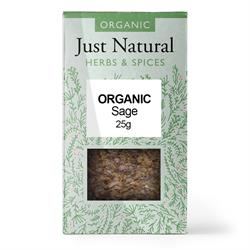
- Just Natural Herbs Sage: A classic dried herb for roasts, stuffing, butter sauces and autumn vegetables.
- Geo Organics Organically Approved Atlantic Sea Salt Shaker 500g: An easy table and kitchen seasoning for everyday meals.
Together, these products cover sweet, savoury, warm and herbal flavours, which is plenty to cook with all week.
How to Store Your Herbs and Spices
Proper storage protects flavour. Keep jars in a cool, dark cupboard away from the hob, as heat and light dull aroma quickly. Close lids tightly after every use and avoid shaking spices directly over steaming pots, because moisture can clump the contents.
As a rough rule, ground spices stay at their best for around a year, while whole spices can last longer. If a jar has lost its smell, it has lost most of its flavour too. Replace it and taste the difference.
Final Thoughts
Cooking well does not require complicated techniques or a crowded cupboard. A few thoughtful choices, such as turmeric for colour, cardamom for fragrance, cinnamon for warmth, sage for depth and good salt for balance, can lift ordinary meals with very little effort.
At Zest Organic, we believe good food begins with honest ingredients. Our range of organic herbs, spices and seasonings is chosen to help you cook with confidence every day. Explore the collection, pick a few favourites and let your next meal do the talking.